Advanced Wound Care for Chronic and Non-Healing Wounds
What Is Wound Care?
Scheurer Health Wound Care provides advanced treatment for chronic and non-healing wounds, including wounds below the knee and complex wounds throughout the body. Located in Pigeon, Michigan, our team utilizes advanced techniques and personalized treatment plans to support healing and recovery.
Understanding Wound Care Services
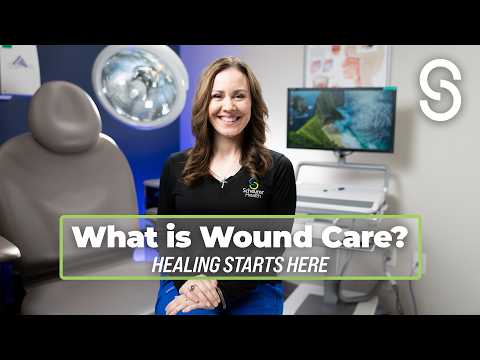
We're dedicated to healing wounds, preventing limb loss and optimizing outcomes for our patients. A wound that is not healing properly may be complicated by underlying conditions such as diabetes, circulation problems or previous radiation treatment. Sometimes, the simplest of wounds can turn into a significant problem because the body's normal healing process is affected. Other types of hard-to-heal wounds result from pressure, trauma or infection. Non-healing wounds can have serious health consequences and may adversely affect your quality of life.
Meet The Wound Care Team at Scheurer Health
Wound Treatment Experts at Every Stage of Healing
At Scheurer Health, our multidisciplinary wound care team provides advanced treatment for chronic and non-healing wounds. By combining expertise in surgery, podiatry and wound management, our specialists work together to develop personalized treatment plans that support healing, prevent complications and improve quality of life.
Amanda McSweeney, MD
Board-certified in General Surgery, Dr. McSweeney brings more than 20 years of surgical experience to Scheurer Health. She specializes in the evaluation and treatment of complex wounds and is dedicated to helping patients achieve the best possible healing outcomes.
Natalya Salowich, DPM
Dr. Salowich is a podiatric physician specializing in foot and ankle care, including diabetic foot ulcers and other lower-extremity wounds. Her expertise plays an important role in helping patients maintain mobility and prevent serious complications.
Jane Ballard, FNP-C
Jane Ballard is a board-certified family nurse practitioner who provides comprehensive wound assessments, ongoing treatment and patient education. She works closely with patients and the wound care team to support healing at every stage of recovery.
Together, our specialists provide compassionate, evidence-based care designed to help patients heal faster, reduce the risk of infection and return to the activities they enjoy.

(From left to right) Natalya Salowich, DPM, Amanda McSweeney, MD and Jane Ballard, FNP-C
Conditions Treated by Our Wound Healing Specialists
- Slow-to-heal or non-healing wounds: surgical wounds, skin grafts or flaps
- Foot or leg ulcers: arterial/ischemic ulcers, diabetic ulcers, venous ulcers and pressure ulcers
- Non-healing surgical wounds
- Symptoms occurring on or around a point of radiation (such as pain, rectal or bladder bleeding)
- Bone infection, also called osteomyelitis
- Crush or traumatic injuries
Scheurer Wound Care is proud to be a recipient of the RestorixHealth Clinical Distinction Award. This distinction is given to locations that exceed national clinical benchmarks.

Why Specialty Care for Wounds?
How Specialized Wound Treatment Supports Healing and Recovery
- Accelerates healing for stubborn or non-healing wounds
- Reduces pain and discomfort
- Provides education on proper wound care at home
- Helps prevent serious infections and long-term complications
- Supports improved mobility and greater independence
- Enhances overall health and quality of life
When to Seek Medical Attention for a Non-Healing Wound
Many people assume a wound will heal on its own and can be managed at home. While that may be true in some cases, it is not always the case. For many patients, wounds require more time, attention and specialized support to heal properly.
Seeking prompt, specialized care for a non-healing wound can significantly improve outcomes and help prevent serious complications.
You should consider advanced wound care if:
- The wound has not improved after 1–2 weeks
- The wound is getting larger instead of smaller
- You notice increased pain or tenderness
- There is redness, warmth or swelling around the wound
- The wound is draining pus or has an unusual odor
- You develop a fever or signs of infection
- The wound keeps reopening after it starts to heal
- You have a chronic condition like diabetes or poor circulation
- You notice black or dead tissue in or around the wound
- The wound is located on the foot, especially for diabetic patients
- You are unsure how to properly care for the wound at home
Personalized Support Throughout the Healing Process
Self-referrals are accepted. Please contact our Wound Care service through Scheurer Podiatry at 989.453.1927 to learn more about how we can help.
Frequently Asked Questions About Wound Care
- Diabetic foot ulcers
- Venous ulcers
- Pressure ulcers
- Non-healing, surgical wounds
- Arterial/ischemic ulcers
- Post-radiation injury to tissue or bone
- Traumatic wounds
- Infected wounds
- Crash injuries
- Compromised flaps or grafts
Depending on the type of wound, the treatment plan may include:
- Infection control
- Restoration of blood flow
- Debridement (removal of dead tissue)
- Offloading
- Skin substitutes
- Compression therapy
- Foot reconstruction
- Skin graft or flap
Your course of treatment depends on what type of wound you have. During your first visit, our staff will evaluate your wound and review your medical history. You may also need special tests that give us information about circulation and infection. This will help to determine what course of treatment you will need.
Some things you can do to assist with your healing:
- Care for your wound at home as directed by the wound care team
- Take medication as directed
- Return for your follow-up appointments
- Keep regular appointments with your primary care physician while you are receiving wound care treatment
Following your treatment is the single most important factor in your healing. Please don't hesitate to contact us at 989.453.1927 to learn more about our wound care treatment plans. We're happy to clarify anything you feel uncertain about regarding the wound care treatment process.