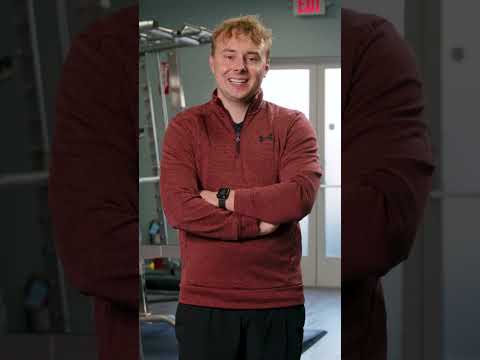
Wound Care // Healing Starts Here
Wound Care // Healing Starts Here
When most people think of a wound, they expect it to heal on its own. In many cases, healing is not always that simple. Wound care is a comprehensive area of medicine that focuses on understanding why the wound is present, identifying what may be preventing healing and creating a personalized plan to support recovery.
Understanding Wound Care
Wounds affect far more than physical health. They can impact mobility, independence, comfort and emotional well-being. Patients often come into wound care carrying frustration, discouragement and uncertainty after trying to manage wounds at home without success. Sometimes wounds require additional support from specialists such as vascular or infectious disease providers.
“There are a lot of reasons why a patient can have a wound and we see all of that. Just because a patient has a wound does not mean they’ve failed in their care in any way," explained Dr. Salowich.
Commonly treated conditions:
- Diabetic ulcers
- Pressure ulcers
- Venous ulcers
- Arterial wounds
- Non-healing surgical wounds
- Traumatic injury wounds
What to Expect at a Wound Care Visit
Our expert wound care team understands that many patients may feel overwhelmed during their first visit. Education and reassurance are a major part of the healing process.
“We try to provide as much education as possible about what to expect to make it feel less overwhelming,” Jane explained.
At the first appointment, the team performs a thorough and comprehensive evaluation to better understand why the wound developed or why it is not healing properly.
A typical appointment includes:
- Checking vital signs
- Removing dressings
- Cleaning the wound
- Assessing healing progress
- Monitoring changes
- Discussing symptoms or concerns
- Providing dressing changes or supplies if needed
When to Seek Medical Attention for a Non-Healing Wound
The faster you seek intervention, the faster your wound will heal. If wounds are left untreated, they can worsen and lead to serious infection, tissue loss and other complications.
Dr. Salowich encourages patients to watch for signs such as:
- Redness
- Heat or swelling
- White or milky drainage
- Increasing pain
- Delayed healing
“Red, hot, swollen or white, milky drainage — if that happens, call us right away,” she said.
Wound Healing Is a Process
One of the biggest misconceptions about wound care is that healing happens immediately. Healing often requires consistency, patience and partnership between the patient and care team.
Small lifestyle changes can also make a meaningful difference in recovery, including:
- Drinking more water
- Reducing caffeine intake
- Taking a multivitamin
- Limiting or quitting smoking
Because patients are seen weekly, strong relationships naturally develop between the care team, patients and their families.
“We get to know patients on a personal level and what’s important to them. With that comes more compassionate care," Jane said.
Support Through Every Step
Living with a chronic wound can feel isolating, frustrating and overwhelming. But patients do not have to navigate that journey alone. At Scheurer Health, the wound care team is here to educate, advocate and support patients every step of the way. For the team, there is nothing more rewarding than helping patients heal and regain confidence in their health.
“Our hope is that with the appropriate education and treatment plan, that wound will heal,” said Dr. Salowich.
Start Your Healing Journey Today
To learn more about Wound Care services or schedule an appointment, call 989.453.1927 or visit scheurer.org/woundcare.