Health in Five // Stroke: Know the Signs
Health in Five // Stroke: Know The Signs
Every Second Counts When It Comes to Stroke
A stroke can happen suddenly and without warning. When blood flow to part of the brain is blocked or a blood vessel bursts, brain cells begin to lose oxygen and can start dying within minutes.
Recognizing the warning signs of a stroke and seeking emergency care right away can make a critical difference in reducing long-term effects and helping protect brain function, independence and quality of life.
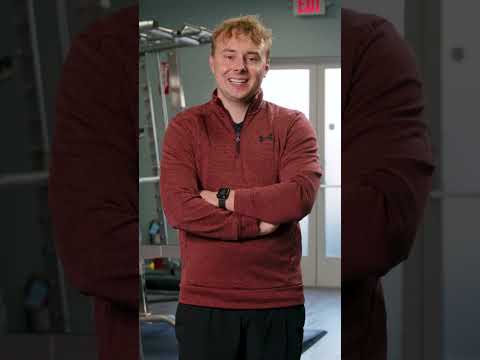
In this episode of Health in Five, Scheurer Health Emergency Department team members Whitney Bischer and Chad Hornbacher share what you need to know about stroke symptoms, risk factors and the importance of acting quickly.
Remember BE-FAST: The Warning Signs of Stroke
One simple way to recognize a possible stroke is by remembering the acronym BE-FAST:
B — Balance
Watch for a sudden loss of balance, dizziness or trouble with coordination.
E — Eyes
Be aware of sudden blurred vision, double vision or vision loss.
F — Face
One side of the face may droop, feel numb or appear uneven.
A — Arm
One arm may feel weak, numb or drift downward when raised.
S — Speech
Speech may become slurred, difficult to understand or confusing.
T — Time
If any of these symptoms appear, it is time to call 911 immediately.
Do not wait to see if symptoms improve. Even symptoms that disappear after a short period of time can be a sign of a serious medical event.
Understanding Stroke Risk Factors
While strokes can happen unexpectedly, several factors can increase a person’s risk. These include:
- High blood pressure
- Diabetes
- Smoking and tobacco use
- High cholesterol
- Obesity
- Heart disease
- Lack of physical activity
Many stroke risk factors can be managed through healthy lifestyle choices and regular medical care.
How You Can Help Prevent Stroke
Stroke prevention starts with taking steps to protect your overall health. This includes:
- Managing blood pressure
- Eating a balanced, healthy diet
- Staying physically active
- Taking medications as prescribed
- Avoiding tobacco products
Regular checkups with your healthcare provider can also help identify and manage conditions that may increase your risk.
Fast Care When It Matters Most
If you arrive at a Scheurer Health Emergency Department with stroke symptoms, our team acts quickly. Patients receive an immediate assessment, blood sugar check, lab work and a CT scan of the brain to identify possible bleeding or blockage.
Our emergency team works closely with stroke specialists and regional partners to determine the best treatment plan as quickly as possible. Some patients may receive clot-busting medication or require transfer to a larger stroke center for advanced care.
Know the Signs. Be FAST. Call 911.
The most important thing to remember about stroke is that time matters. Recognizing symptoms early and seeking emergency care immediately can help save brain function, independence and lives.
Know the signs. Be FAST. And call 911.
Learn more about Emergency Services at Scheurer Health here.