Health in Five // Postural Exercises for Spine Health
Health in Five // Postural Exercises, Aaron Kuhl
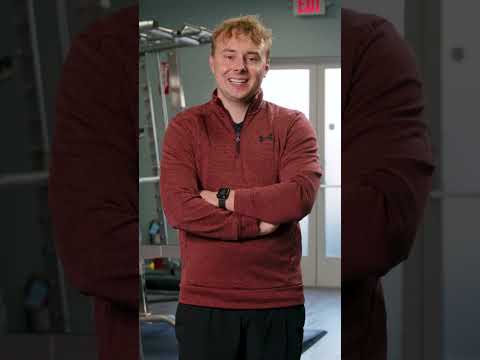
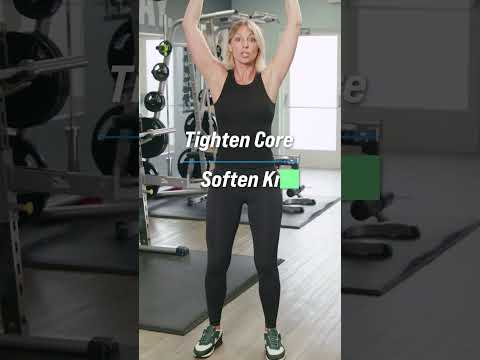
In this feature, Aaron Kuhl, Physical Therapist at Scheurer Health Rehabilitation, demonstrates simple postural exercises designed to help reduce the effects of osteoporosis and osteopenia. These movements focus on spinal decompression, cervical alignment and lower extremity activation performed in a supine position to support posture, reduce tension and promote long-term musculoskeletal health.
Why Postural Strength Matters
Neck and back pain are common across many jobs and lifestyles, often linked to prolonged sitting, repetitive movement, and postural strain. Over time, these factors can contribute to discomfort, stiffness and decreased mobility.
Maintaining spinal alignment and core support is key to reducing tension and supporting long-term function. Even simple daily movements can help counteract the effects of sedentary habits and age-related changes in bone density and posture.
Benefits of These Exercises
This short, accessible routine is effective because it targets foundational areas of postural control and spinal support. Incorporating these movements regularly may help:
- Reduce spinal tension through decompression
- Support improved neck alignment and positioning
- Engage lower body muscles for postural stability
- Decrease stiffness in the back and neck
- Promote long-term mobility and comfort
- Encourage consistent, low-impact movement habits
How to Perform the Exercises
These exercises can be completed on a flat, supportive surface such as a bed or mat.
1. Spinal Decompression
- Lie flat on your back
- Extend arms out with palms facing up
- Relax and hold for 5 minutes
- Focus on allowing the spine to fully release tension
2. Cervical Alignment Hold
- While lying on your back, look straight up
- Gently press the back of your head into the surface
- Hold for 3 seconds, then relax
- Repeat to support neck alignment and control
3. Supine Leg Activation
- Keep one leg straight while lying down
- Press the leg down into the surface
- Hold for 2–3 seconds, then relax
- Complete 15 repetitions per leg
Focus on slow, controlled movement rather than intensity to ensure proper activation and safety.
Small Movements, Lasting Impact
Improving posture and reducing discomfort doesn’t require long or complicated workouts. Simple, intentional movements like these can be incorporated into daily routines to support spinal health, mobility and long-term wellbeing.
Consistency matters more than intensity—small efforts, repeated regularly, can make a meaningful difference over time.
Learn more about Rehabilitation services at Scheurer Health.