Health In Five // Adaptive Equipment to Reduce Barriers
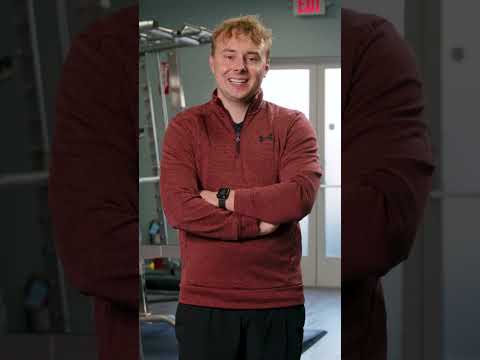
Health In Five // Adaptive Equipment, Jennifer Millerwise, OT
Staying independent in daily life doesn’t always require doing things the “hard way.” In this feature, Jennifer Millerwise, Occupational Therapist at Scheurer Health Rehabilitation, explains how adaptive equipment helps individuals safely and effectively complete everyday tasks such as dressing, bathing and eating—especially after illness, injury or as mobility changes with age.
Why Adaptive Equipment Matters
Adaptive equipment refers to simple, practical tools designed to make daily activities easier and safer. These tools help individuals maintain independence when movement, strength, or flexibility becomes limited.
Common examples include:
- Long-handled reachers
- Sock aids
- Long-handled sponges
- Built-up utensils
- Button hooks
One of the most frequently used tools is the long-handled reacher, which allows individuals to grab items from the floor or access objects that are otherwise out of reach.
These tools are not uncommon or specialized—they are widely used across all ages and abilities and can make a meaningful difference in day-to-day life.
Everyday Tasks Made Easier
Adaptive equipment supports a wide range of activities, including:
- Lower body dressing
- Bathing and personal hygiene
- Eating and meal preparation
- Retrieving items safely without strain
By reducing physical barriers, these tools allow individuals to complete tasks more independently and with greater confidence.
Who Uses Adaptive Equipment?
Adaptive equipment is used by people of all ages—not just older adults. It is commonly introduced after:
- Surgery
- Injury
- Stroke or illness
- Changes in mobility or strength due to aging
Using these tools is a normal and proactive step toward maintaining independence and safety at home.
Living Life Fully, Not Perfectly
Occupational therapy focuses on helping individuals participate in the activities that matter most to them. Adaptive equipment is one of many ways to support that goal.
As Jennifer Millerwise emphasizes, it’s not about perfection—it’s about finding ways to continue living life fully, safely and independently.
Learn more about Occupational Therapy and Rehabilitation services at Scheurer Health.